Article: Painting Equipment FAQs
Painting Equipment FAQs
Painting Equipment FAQs
What surface is best for detailed painting?
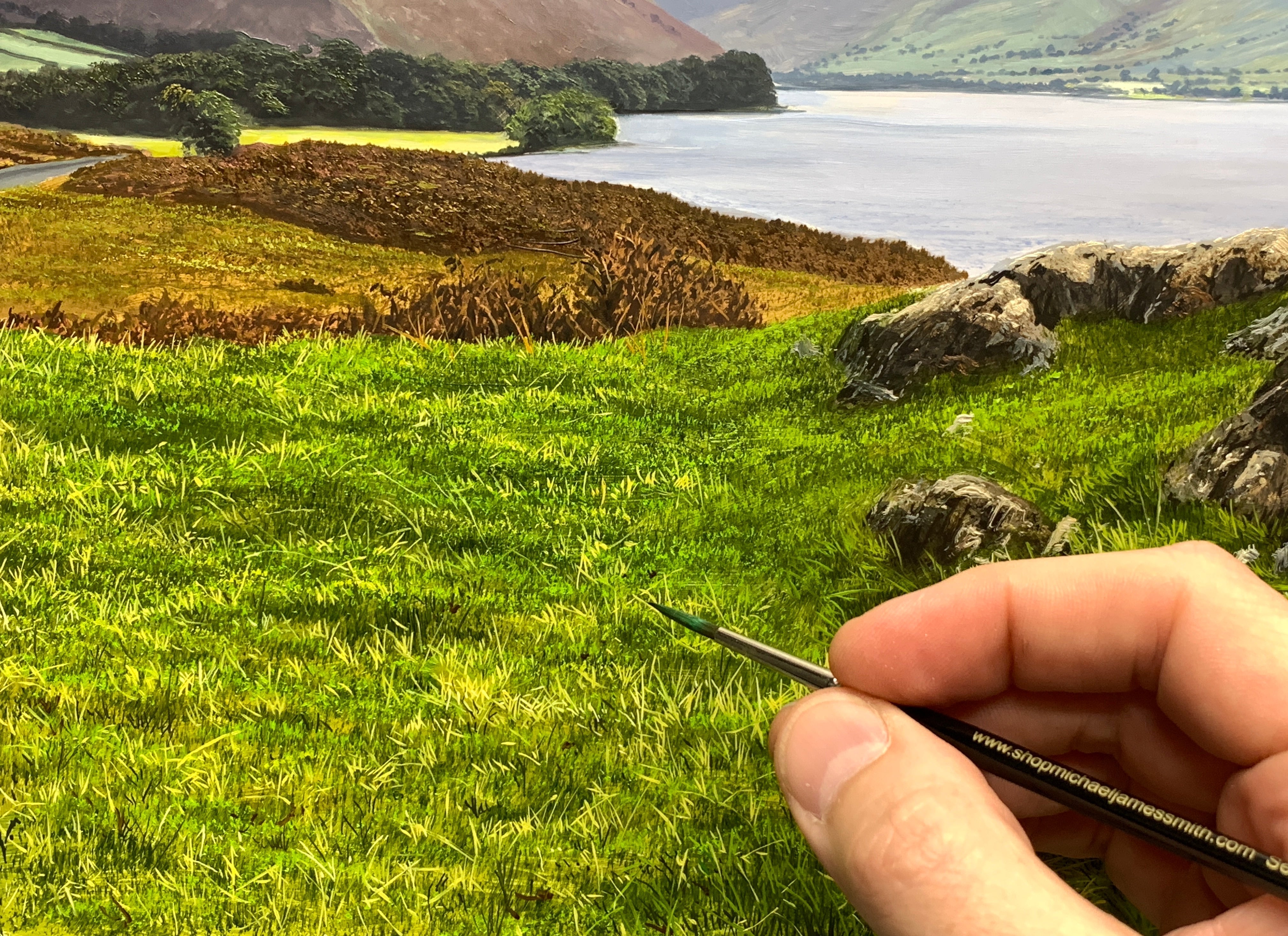
A smooth surface makes it much easier to create fine detail, clean edges and controlled brushwork. Michael prefers a very smooth painting surface for his realistic technique. PalettePro Oil & Acrylic Card is ready to paint on and can be cut to suit different formats and sizes.
If you prefer canvas, choose a fine, smooth weave. Cotton or linen can both work well; the important thing for highly detailed work is keeping the surface as smooth and even as possible.
What brushes does Michael use?
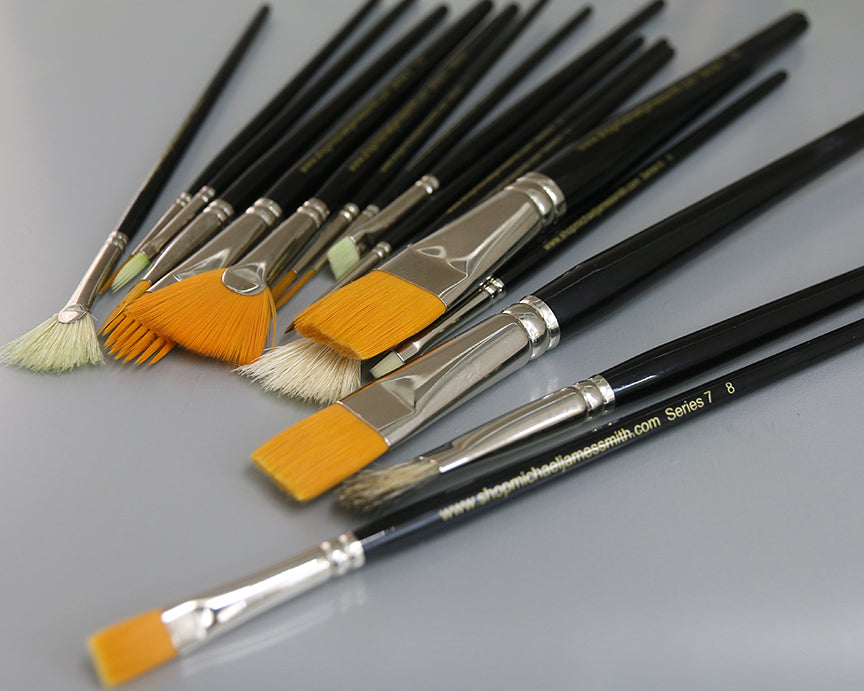
Michael uses a mixture of soft and firmer brushes, with different shapes and lengths for different effects. The PalettePro Professional Brush Set brings together the core brushes he regularly uses, while the full PalettePro brush collection includes specialist brushes for fine detail, foliage, texture, blending and broader application.
What oil paint does Michael use?
Michael now uses PalettePro Professional Oil Colour. Artist-quality oil colour gives strong pigment strength and good handling for the thin layers, glazing and detailed work used in his technique.
You can see the colours Michael regularly works with in What Paint Do I Use?
Do I need both acrylic and oil paint?
No. Michael often uses acrylic for the block-in because it dries quickly, then works in oils for the detailed stages. However, the complete painting can also be created using oil paint if you prefer.
Why use oil paint rather than acrylic for the detailed stages?
Oil paint stays workable for longer, making it particularly useful for blending, soft transitions and controlled detail. Acrylic dries much faster, which is one reason Michael often uses it for the initial block-in.
What is Liquin used for?
Liquin is an alkyd painting medium that can speed drying and alter the flow and transparency of oil paint. Michael sometimes uses it for glazing and in lower layers. Other mediums designed specifically for oil painting can also be used, but they behave differently, so always follow the manufacturer's instructions.
What is white spirit used for?
Michael uses artist-grade solvent in parts of his process to clean brushes and, where appropriate, to adjust the handling of oil paint. Solvents should be used sparingly and in a well-ventilated area. Always read the product label and safety information, avoid unnecessary skin contact and keep solvents away from children, pets and sources of ignition.
Can I use water-mixable oil paints?
Yes. Water-mixable oils can be used for many of the same techniques, although their handling can feel different from traditional oils. The best choice is the paint system that you are comfortable using and that suits your working environment.
Can the same brushes be used for acrylics and oils?
Yes. PalettePro brushes can be used with both acrylic and oil paint. Clean them thoroughly between uses and do not allow paint to dry in the bristles.
How should I care for my brushes?
Good cleaning and reshaping will significantly extend the working life of a brush. Remove as much paint as possible after painting, clean with a suitable cleaner for your medium, gently reshape the bristles and allow the brush to dry properly. For more detail, see Caring For Your Brushes.
What lighting is useful for painting?
A consistent neutral light is helpful when judging colour. Michael has traditionally worked with daylight-balanced lighting around 5000K. Whichever lighting you choose, consistency is more important than constantly changing between warm and cool light sources.
What should I use to display a reference photograph?
A tablet or monitor with a clear, colour-consistent screen works well and allows you to zoom into small details. Avoid setting the display excessively bright, as this can make the reference appear lighter than it really is.
For complete step-by-step demonstrations of Michael's painting process, visit MJS TV.